Holiday Allowance is coming! What should business owners look out for?
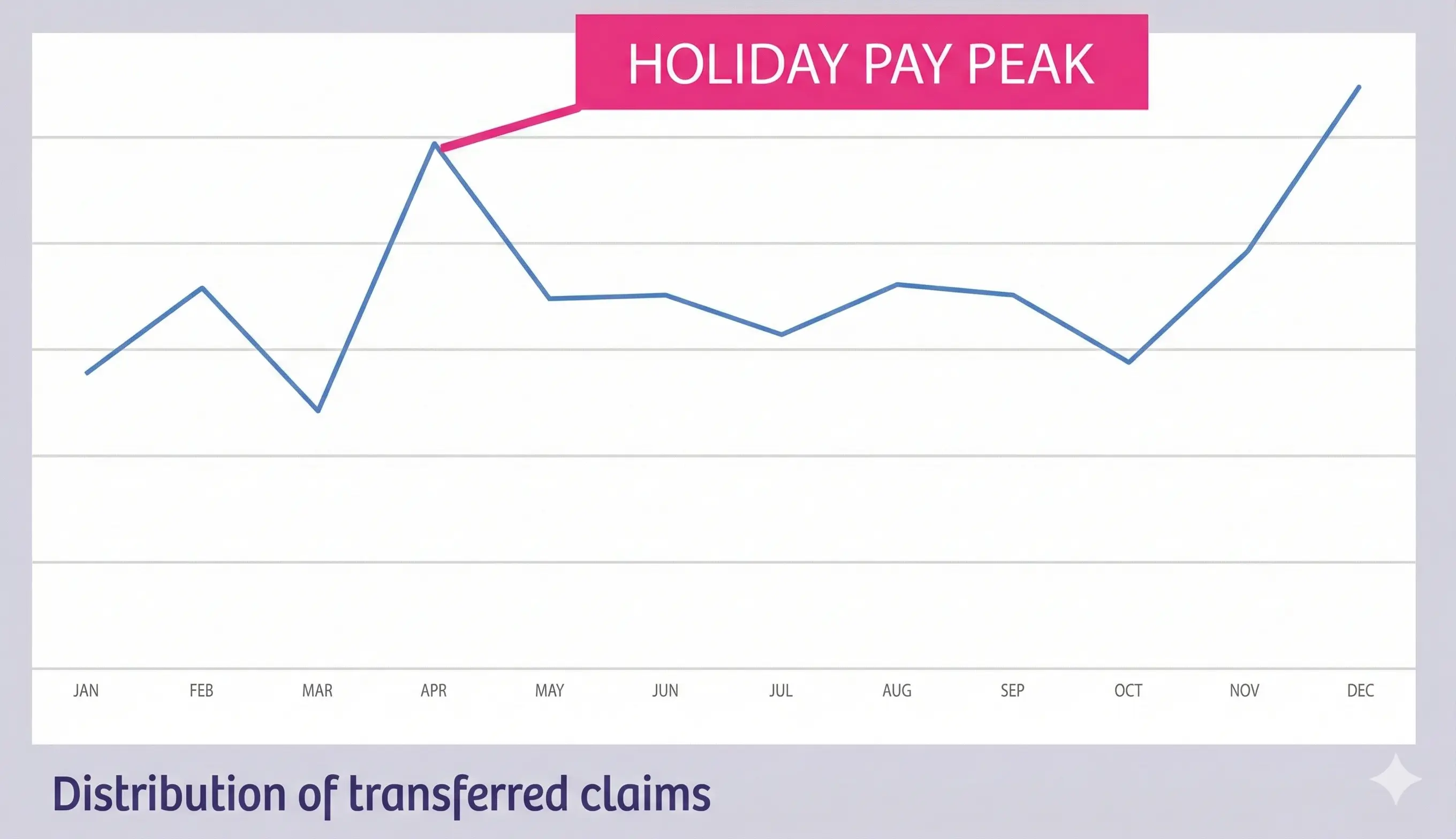
Traditionally, May is the month of the holiday allowance in the Netherlands. For individuals, this payout provides a temporary boost in spending power. On the other hand, businesses are faced with higher personnel expenses. It is crucial for companies to manage this period wisely. Therefore, ensure you transfer your outstanding claims to your debt collection partner in a timely manner.
Consumer Spending
Through the holiday allowance, consumers in the Netherlands receive a combined total of approximately 32 billion euros. Contrary to what the name suggests, this money is not spent solely on vacations. In fact, many Dutch citizens have various other goals for this extra financial room.
While travel has fully resumed, a relatively small portion of the holiday allowance is actually spent on holidays. According to recent studies, only about 24% of Dutch people use the allowance for its namesake purpose.
Bridging the Gap After Loss of Purchasing Power
A large percentage of people indicate they need the holiday allowance simply to make ends meet. They require these funds to fulfill their monthly obligations. Debt repayment remains in the top three spending categories for holiday allowance. It is estimated that 9% of the total allowance is used for this purpose—a trend that has intensified in recent years due to inflation.
As a business, you can benefit from this trend.
Tip: Don't miss out!
Despite increased costs, the outlook for many people and businesses is turning positive again. Consequently, many are longing for a well-deserved vacation abroad. It is expected that more money will be spent on leisure this year, leaving less available for settling outstanding debts.
Make sure unpaid invoices are transferred to Ultimoo in time. Otherwise, your debtors may have already allocated their holiday allowance elsewhere.
Business Expenditure
In May, many companies face a significant increase in outgoing cash flow as they must pay out the holiday allowance to their employees. Some businesses encounter difficulties due to this cash outflow, finding themselves short on liquid assets to pay their own bills or debts.
Additionally, in 2026, many are still dealing with the financial aftermath of past economic fluctuations, such as the repayment of support measures, increased interest rates, or higher energy costs. This may apply to your own company or your business debtors.
Tip: Take Action!
In practice, we see that some companies do not 'save up' for the holiday allowance. The outgoing cash flow at the end of May is particularly painful for them. Ensure you have sufficient liquidity yourself. One effective measure you can take is the timely transfer of outstanding claims.
Curious about what other companies are doing? We see a clear spike in claims transferred by your competitors during the months of April and May.